

Top 7 Reasons Why Padel is a Great Option for Kids

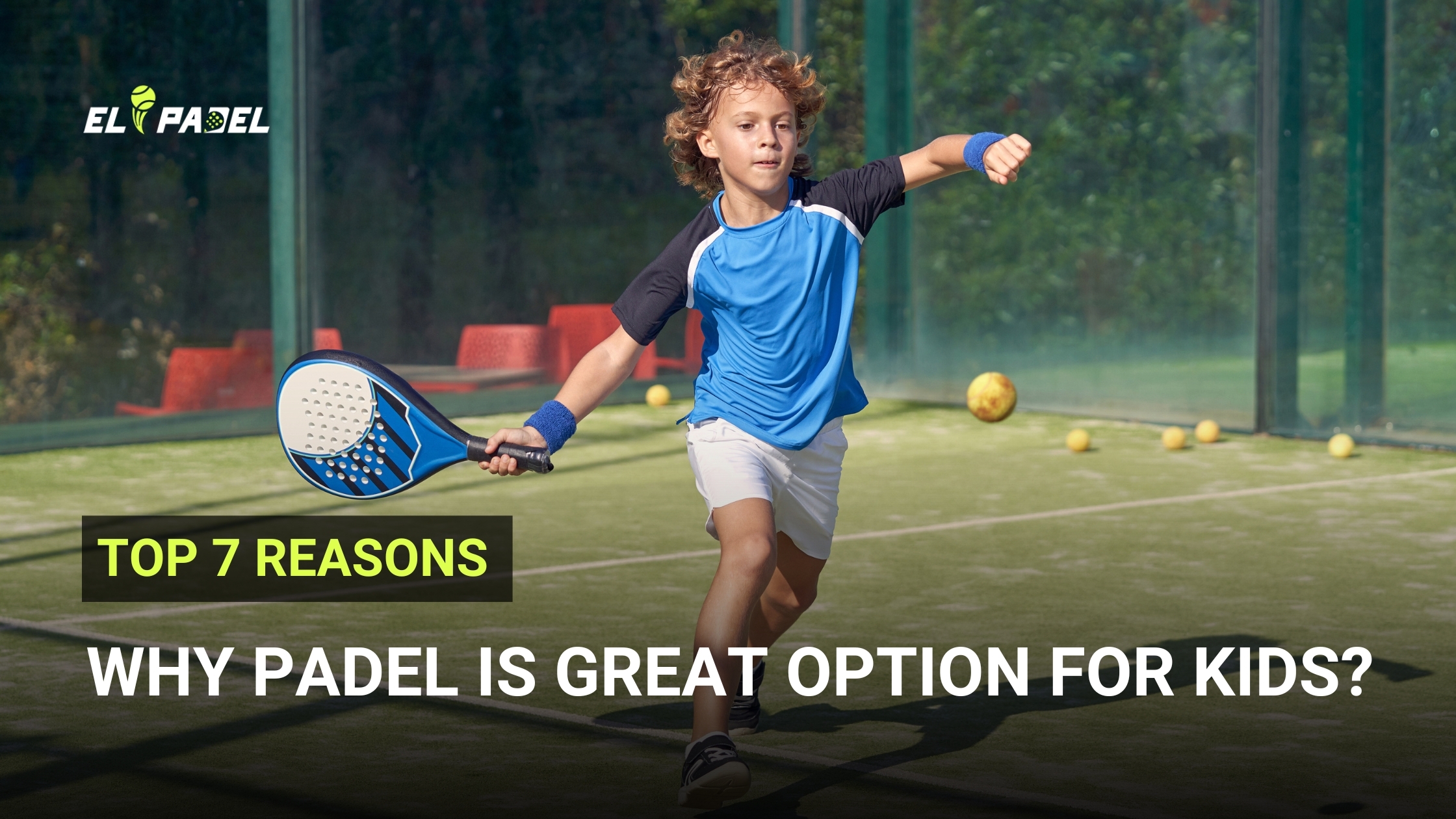
The popularity of padel continues to rise worldwide. The combination of tennis and squash in this dynamic sport makes it easy to learn and incredibly engaging for kids. The exciting activity of padel provides various advantages to help children grow physically as well as mentally and socially. The combination of activity and life skill development makes padel an optimal choice. Here are the top seven advantages why padel should be a preferred sport for kids:
Encourages Physical Fitness and Healthy Growth
Padel represents a great advantage because it makes physical activity enjoyable for everyone. The movements of the padel provide a stealthy exercise routine for kids who are busy enjoying this sport. The game demands running as well as jumping motions alongside lateral movement and fast reaction time to deliver these benefits:
- Improve cardiovascular health
- Strengthen muscles and bones
- Enhance flexibility and coordination
- Maintain a healthy weight
The growing obesity epidemic among children has found an innovative solution in Padel. Padel promotes physical activity through exciting gameplay.
Develops Motor Skills
The Padel game is a perfect opportunity to teach children how to improve their motor abilities. Players must track the ball while making quick decisions and demonstrating precise timing. Players obtain abilities that they can use both inside the court and in various sports and routine movements. Through regular play, kids develop:
- Faster reflexes
- Spatial awareness
- Enhanced agility and balance
The motor skills that are developed strengthen physical potential and cognitive development. This proves essential for children’s growth.
Boosts Mental Health and Cognitive Function
The emotional development of children benefits greatly from sports participation with padel taking a leading role. The game of padel triggers endorphins to flow throughout the body which fight stress and depression. This results in eliminating anxiety. The strategic nature of padel competition develops the capability for making fast decisions while focusing on problems and decisions.
- Problem-solving abilities
- Focus and concentration
- Decision-making speed
By predicting and reacting to their opponent, padel develops a kid’s mental alertness and stress-resistant behavior during essential moments.
Enhances Social Skills and Teamwork
Padel’s game most often uses team play in a double format. This creates a friendly social environment. Teaching children valuable teamwork skills goes hand in hand with developing their communication abilities and collaboration talents. This way, they connect with their partners to score points. Social benefits include:
Improved communication skills
- Strengthened friendships and peer connections
- The game helps players establish trust with their teammates for team success.
The combination of Padel’s unique format and its team-based gameplay enables children to enhance their social abilities.
Builds Confidence and Self-Esteem
Padel enables children to have targets and reach them. This strongly enhances their self-confidence. Accomplishing each skill milestone through Padel enhances a kid’s self-esteem and teaches them that determination brings better performance.
Role of Padel to Boost Confidence:
- Players receive motivational support from both coaches and their athletic teammates.
- Kids learn from their mistakes to develop the mindset to grow skillfully.
Kids experience a boost in their self-confidence when they advance their skills. This helps them succeed in academics as well as social group activities.
Teaches Discipline and Responsibility
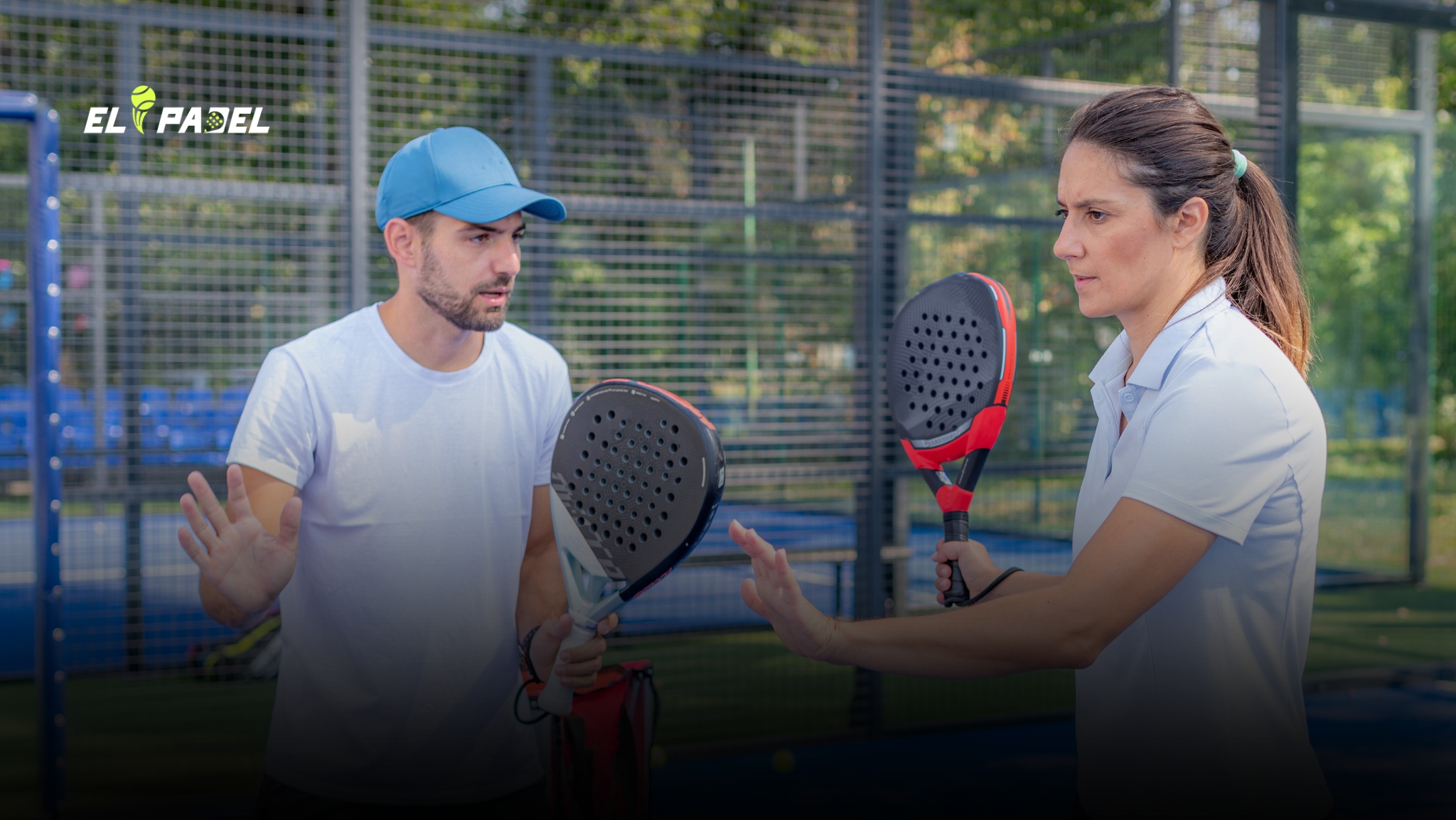
padel dubai price for kids develops discipline along with the responsibility of young players. This works similarly to other sports. Kids must practice frequently and obey game rules. Kids must show gratitude to their coaches, teammates, and opponents for self-improvement. The development of these habits helps players become accountable and well-developed. The Padel game provides essential life lessons, which include:
- The importance of practice and dedication
- The Players who practice padel learn how to follow the rules while maintaining fair play practices.
- The kids need to properly regulate the time distribution between their athletic activities and their academic work.
The core values they learn on the court apply to all aspects of their academic life and their daily activities.
Provides a Safe and Controlled Environment
Players of all ages can participate in the padel due to its low injury risk. An enclosed court designed with glass walls prevents balls from escaping the court. This decreases stoppages during games. The restricted court area provides young athletes with an optimal space to strengthen their skills. The safety advantages of padel include:
- Kids participate in the padel with less risk of injury compared to intensive ball sports games
- The softer ball court offers a joint-friendly surface for players
- The enclosed court environment reduces external distractions while allowing players to stay focused
Parents achieve peace of mind when their children participate in a secure setting and safely engage with the padel without facing excessive hazards.
Padel for Kids – a Sustainable Fitness Choice
The low physical strain of padel makes it suitable for participation irrespective of the age. The pack padel for kids develops a lasting interest for racket sport activities. Padel serves as a recreational form of exercise which enables sociable physical activities throughout adulthood.
Padel for Kids promotes the early development of lifetime fitness practices because it builds kids’ affection for active movement.
Conclusion
The Padel for Kids is an enjoyable activity that helps develop physical fitness. This helps in improving their mental capabilities and social connections. The Padel presents various advantages through its recreational play activities while serving as a source for children to develop new abilities. The Local padel dubai academies provide a suitable environment for children to begin their sports journey while gaining valuable advantages from the sport. Your child will develop into a confident, active, well-rounded person through padel play.
Frequently Asked Questions (FAQs)
- At what age can kids start playing padel?
The minimum age to begin learning padel is between 4 and 5. Many academies offer beginner programs that create safe and enjoyable spaces for young children to learn foundational skills.
- What equipment does my kid need to play Padel?
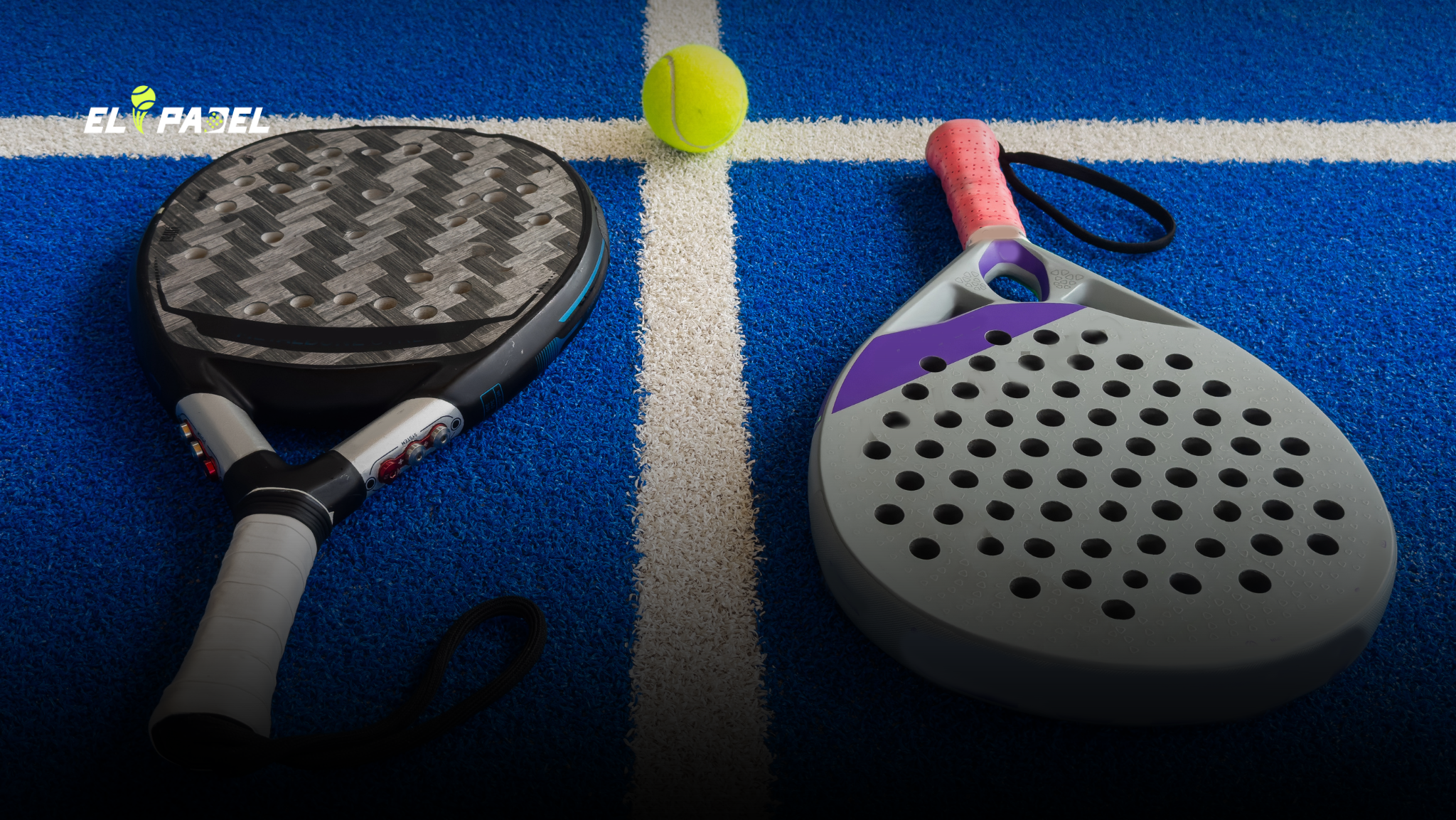
For their first play, Padel newcomers require a padel racket, comfortable sportswear, court shoes with non-marking soles, and a few padel balls. Academies that teach padel basics offer rental options to new players.
- Is padel a difficult sport for kids to learn?
Padel is an accessible sport that kids can learn efficiently. The combination of smaller court sizes, lightweight rackets, and underhand serving services lets children learn padel at a faster pace than regular tennis.
- How often should kids play padel to see improvement?
A proper schedule of 2-3 training sessions per week. This will enhance both ability development and fitness performance.